Next-generation sequencing technology: Accelerating into better healthcare and genomic discovery
Key Highlights
- NGS must evolve to be faster, more adaptable, and more sensitive than ever before.
- Emerging sequencing methods like SBX separate synthesis from signal detection, improving accuracy and speed in complex genomic regions.
- These technological improvements are poised to accelerate drug discovery, improve disease diagnostics, and advance personalized medicine.
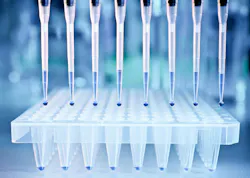
Next-generation sequencing (NGS) has fundamentally reshaped biology and medicine, unlocking comprehensive and detailed information about our genomics. However, as science continues to push forward, the limitations of current NGS technology have begun to slow progress in several key areas, including drug discovery. With current NGS tools, investigators must often balance trade-offs between speed and accuracy, and complex regions of the genome remain difficult to resolve.
Scaling up sequencing operations with current NGS platforms can be an expensive logistical challenge. Recent innovations in the platforms and chemistry underpinning next-generation sequencing seek to address these pain points, encouraging breakthroughs in genomics and personalized medicine to continue at a rapid pace.
New sequencing chemistry for improved performance
Next-generation sequencing is defined by the massively parallel sequencing reactions that allow large volumes of genetic material to be read rapidly. One of the predominant chemistry approaches employed for NGS over the past decade has been sequencing by synthesis (SBS), where gene fragments are amplified through iterative cycles with fluorescently tagged nucleotides that generate distinct signals when incorporated into the genetic chain. While this is a powerful technique that has propelled incredible advances, the limitations of this approach have begun to impede scientific progress.
One of the primary limitations of SBS is that it struggles to resolve highly complex genomic regions.1 For instance, detection of larger structural variants and highly repetitive sequences are difficult to accurately map with SBS.1,2 Accurate variant detection often requires substantial sequence coverage and bioinformatic analysis, particularly in repetitive regions. Sequencing workflows can also delay the availability of SBS data, as the data cannot be understood until it has been properly aligned to the reference genome at the end of the run.
A novel approach to sequencing chemistry seeks to improve both the pace and performance of NGS by separating the synthesis step from the signal measurement. This approach, called sequencing by expansion (SBX),3 begins by generating a synthetic polymer from the sample DNA. This synthetic polymer not only contains distinct reporters for each nucleotide base, but it also lengthens the distance between bases to increase the clarity of sequencing signals. This synthetic copy of the sample is generated after a single round of synthesis and allows for rapid, accurate detection of single nucleotide variants, indels, copy-number alternations, repetitive sequences, and other genomically complex structures.
The sequencing information generated with SBX allows sequencing data to be available in real-time, within minutes of the start of the run. By addressing the limitations of SBS, this newer technology, SBX, offers an exciting alternative sequencing approach for drug developers utilizing advanced, high-throughput multiomic methods to profile drug responses in different cell lines or sample types for research.
The evolving sequencing needs of real-world applications
Improving the speed of the underlying sequencing chemistry is a helpful first step, but these gains don’t always transfer to real-world applications. For instance, turnaround times are frequently hindered by batch constraints related to workflow and read lengths. Reagents and consumables for NGS instruments can be expensive, and teams may hold samples until a full batch can be run to maximize cost-effectiveness. Sequencing demands are also prone to fluctuations, as the sequencing needs of early drug discovery may vary between projects or at different stages of drug development.
Sequencers with rigid batch restrictions are ill-equipped to work across the entire development pipeline, and companies need advanced sequencing systems that can allow for adjustments to batch size without increasing costs. Future NGS sequencing platforms should seek to be more flexible and responsive to user demands, allowing labs to scale with increased sequencing demands.
Currently, there are batching limitations for mixing different library sizes or experimental types within the same sequencing run, but proof-of-concept studies4 have begun to explore these possibilities without any penalty, such as short reads negatively influencing the result. Lack of sequence diversity is not an issue with SBX technology. This streamlines sequencing run operations so that different experiments can be sequencing simultaneously maximizing cost efficiency per run thereby reducing turnaround time in more than one way.
Applications of NGS also continue to diversify, and future NGS platforms must be versatile enough to match this evolving landscape. Read length requirements can vary significantly, even within the same experiment. Short-read lengths are beneficial when analyzing large numbers of samples, whereas longer reads are crucial for resolving structural complexities. Labs may also alternate between whole genome and whole exome sequencing. Whole exome sequencing is better equipped for high throughput applications, but understanding non-coding regions or even mitochondrial DNA is sometimes critical for unlocking new discoveries. Similarly, multiomic applications that leverage RNA sequencing, DNA methylation, single cell sequencing, spatial biology, simultaneous WGS & methylation, and more are becoming increasingly prevalent as scientists seek to develop a more complete biological picture.
Advances in sequencing chemistry will only take science so far. Researchers and drug developers require a new generation of technology to fulfill their sequencing thirsty applications.
Prepared for the future
Improving NGS technology is about more than just improved efficiency. With a rapidly aging population, healthcare demands will continue to grow, particularly for age-related conditions such as cancer and dementia. A new approach for NGS could play an important role in improving care for patients and reducing the burden on healthcare systems.
Cancer treatments have already seen significant improvements in recent years thanks to our enhanced understanding of disease biomarkers that allow for better patient stratification. High-performance NGS platforms can continue to advance cancer care by identifying single nucleotide variants, indels, and copy number variations found in cancer patient samples. However, many oncology samples are formalin-fixed and paraffin-embedded (FFPE), which can present challenges for sequencers. NGS can also aid in molecular residual disease monitoring, which can detect the sub-clinical presence of a cancer-associated biomarker indicating a high-risk of recurrence. An NGS platform that can maintain reproducibility, sensitivity, and accuracy in different sample types will be enormously beneficial to cancer patients, aiding research necessary to characterize this difficult disease and enable better drug development.
NGS platforms can play a similar role in the screening and treatment of neurodegenerative disease. High-throughput sequencing carried out on a global scale can help identify genetic mutations associated with Alzheimer’s and Parkinson’s, potentially allowing teams to identify neurodegenerative disease before symptoms appear. Faster sequencing platforms can also play an important role in drug discovery efforts, facilitating the identification of new disease mechanisms and drug targets. In the modern era of personalized medicine, fast and accurate sequencing holds the key to effective characterization of diseases, rapidly screening new drugs, and ensuring that patients receive tailored therapies that maximize the success of medical interventions.
Improving NGS technology is about more than just improved efficiency.
The next stage of next-generation sequencing
Next-generation sequencing has already transformed the healthcare landscape and the research capabilities of modern laboratories. But as we dive deeper into the complexities of the human genome, NGS must evolve to be faster, more adaptable, and more sensitive than ever before. Separating the sequencing chemistry from signal measurements with synthetic polymers offers a fundamentally new approach to NGS that overcomes many of the limitations of past NGS technologies. When coupled with more flexible and scalable NGS platforms, sequencing technologies can be made more accessible and more practical for laboratories around the world. By updating NGS sequencing chemistry and platforms, we can launch a new chapter for healthcare and genomic discovery.
References
- Kumar A, Adhikari S, Kankainen M, Heckman CA. Comparison of structural and short variants detected by linked-read and whole-exome sequencing in multiple myeloma. Cancers (Basel). 2021;13(6):1212. doi:10.3390/cancers13061212.
- Jain C, Rhie A, Hansen NF, Koren S, Phillippy AM. Long-read mapping to repetitive reference sequences using Winnowmap2. Nat Methods. 2022;19(6):705-710. doi:10.1038/s41592-022-01457-8.
- Kokoris M, McRuer R, Nabavi M, et al. Sequencing by Expansion (SBX) - a novel, high-throughput single-molecule sequencing technology. bioRxivorg. Published online 2025. doi:10.1101/2025.02.19.639056.
- Chow E. Innovation in sequencing: AXELIOS 1 and SBX technology for streamlining workflows in core facilities and beyond. ABRF 2026, Roche Diagnostics. Accessed September 8, 2026 from: https://diagnostics.roche.com/us/en/products/product-category/lab-type/sequencing/ngs-next-generation-sequencing-platform.html.
About the Author
 Robin Thomas, PhD
Robin Thomas, PhD
is a Scientific Strategy Director for Oncology at Roche Diagnostics. He leads a team of scientists and disease area experts who develop medical strategies across pathology and sequencing for oncology.