Revolutionizing healthcare: The future of wearable technologies at MEDICA 2026
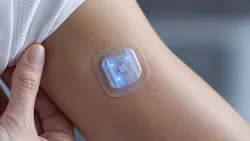
Wearables are rapidly evolving from consumer products into clinically relevant key technologies. From digital biomarkers and smart patches to AI-supported remote monitoring, wearable systems are increasingly transforming diagnostics, prevention, and therapy.
MEDICA, International Trade Fair for Medical Technology and Healthcare, is responding to this development with a new international program highlight: the Wearable Technologies (WT) Conference Europe will take place for the first time on November 16 and 17 as part of MEDICA 2026 in Düsseldorf, Germany. It will be accompanied by the Wearable Technologies Pavilion (also in Hall 12), which will present the latest product developments and technological innovations during MEDICA (November 16 – 19, 2026).
The conference will combine technological development, clinical application, and industrial scaling. The spectrum will range from prevention and diagnostics and digital therapy support to AI-based monitoring and personalized medicine.
The conference program will demonstrate the significant impact wearables now have across various fields of medicine. Key topics include digital biomarkers, smart patches, FemTech solutions, AI-supported health analytics, continuous patient monitoring, as well as cybersecurity and regulatory requirements for connected medical technology.
Representatives from the pharmaceutical industry, medical technology, and digital health sectors will discuss how wearables are transforming drug development, prevention, and therapy support. This is no longer merely about lifestyle applications, but about clinically relevant health data and new forms of data-driven care.
One specific focus of the conference will be on smart patches and new biosensor technologies. Intelligent patch solutions are increasingly evolving from mere monitoring tools into active therapeutic platforms. Sessions will address topics including accelerated wound healing, continuous data collection, bioelectronic therapeutic approaches, and the question of how wearable systems can deliver clinically actionable data in real time – as comfortably and discreetly as possible for patients. New approaches to drug delivery, biocompatible sensor technology, printed electronics and miniaturized optical sensor systems will also be presented.
In conjunction with the conference, the Wearable Technologies Show will showcase the latest solutions and product developments in the fields of smart patches, sensor technology, wearables, digital diagnostics, and connected health.
Another key theme of the conference will be the shift of medical care from traditional clinical settings into patients’ everyday lives. With titles such as “Hospital at Home” or “Precision Perioperative,” experts will discuss how continuous monitoring with wearables enables new care models. The focus will be on systems that continuously record vital signs and use AI to detect changes in health at an early stage – often before symptoms even appear. Wearables are thus increasingly becoming tools for proactive medicine.
Samsung Healthcare, for example, will demonstrate how consumer biomarkers can be translated into clinically relevant health analyses. Verily will explore platforms for predicting diseases before the first symptoms appear. Other presentations will address perioperative monitoring, risk stratification and AI-supported real-time decision-making systems.
The scope of the conference will extend far beyond traditional medtech applications. A dedicated session block, for instance, will explore how wearables can support personalized prevention and longevity concepts in the future. Topics discussed will include sleep tracking, long-term health data analysis and individualized health protocols.
At the same time, regulatory requirements and cybersecurity are becoming increasingly important. The more wearables are integrated into medical processes, the more important data protection, MDR compliance, and secure data infrastructures become. The sessions on cybersecurity and regulation will address topics such as AI-enabled cyberattacks, secure value chains, and international regulatory strategies.
About the Author
 LABline