Favorable results from BD and Envetec medical laboratory plastic recycling study
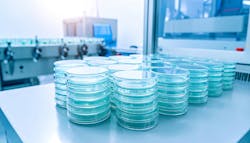
BD and Envetec Sustainable Technologies announced the successful completion of a joint feasibility study to test the ability to recycle polystyrene Petri dishes into new, high-quality manufacturing feedstock.
The results of the pilot study suggest that similar high-quality polymers, including polystyrene, polyester (PET), polypropylene, and polyethylene, could be reused in the manufacturing supply chain after being safely disinfected and processed. These polymers find extensive use in medical devices, such as those made by BD.
Envetec's GENERATIONS technology converts regulated waste into recyclable polymer flakes through a validated, low-energy chemical disinfection process. In the BD pilot, unused BD BBL prepared plated media were processed as post-industrial material. The plates and their contents were shredded, separated, chemically disinfected, and transformed into recycled, clean polymer flakes. These flakes were extruded into polystyrene pellets and molded into new Petri dish prototypes. Material property testing and molding feasibility were successfully completed.
Envetec and BD see clear opportunities to expand the pilot, cut reliance on virgin plastic, and keep high-value polymers in circulation.
Envetec's GENERATIONS technology is currently being deployed in biopharma and life science facilities, hospitals, and food and beverage sectors across the United States and Europe. This technology processes regulated medical and biohazardous waste, transforming it into clean polymer flake suitable for recycling.
In collaboration with customers and recycling partners, Envetec is developing sustainable circular pathways for treated laboratory plastics. This process involves converting clean flake into recycled pellets and, where possible, into new plastic products.