WHO calls for global action to combat rising cancer burden by 2050
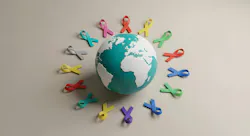
The World Health Organization (WHO) has published their joint report with the International Agency for Research on Cancer (IARC), the WHO Global Status Report on Cancer 2026. Alongside the findings, the WHO warns that if urgent action is not taken, new cancer diagnoses could jump to about 35 million a year by 2050.
The report found that inequities are burdening cancer patients in low-income countries. For example, chances of surviving breast cancer at five years post diagnosis in high-income countries is nearly double the amount it is in low-income countries.
Additional key findings from the report:
- Less than 35% of countries include cancer care in their universal health coverage packages.
- At least 45% of people affected by cancer experience financial hardship, according to WHO’s first survey of this population.
o Almost all caregivers surveyed are unpaid and experience social isolation.
o More than 50% of survey participants struggle with mental health.
- Asia had the largest cancer burden.
- Lung cancer is still the leading cause of cancer death globally, even though tobacco use is waning.
- About 40% of cancer cases globally are connected to preventable causes.
- More than three quarters of countries now have national cancer control plans.
- Vital cancer medicines are only 9% to 54% available in low- and lower-middle-income countries.
WHO is calling for personalized, patient-centered approaches to improve global cancer burden. Their plan recommends better capabilities, better protections, and better value. They concluded their call to action with a statement, “The choices made and actions taken today will shape the cancer burden borne by future generations. By adopting a people-centered approach, making strategic and sustained investments, and maintaining an unwavering commitment to equity, countries can reduce the cancer burden and improve outcomes for everyone, everywhere.”