Positive results: Urinalysis as a competitive advantage
An elderly patient is admitted to a hospital with confusion, nausea, and generalized weakness. These symptoms could be concerning for a variety of different conditions, including a urinary tract infection, pneumonia, dehydration, gastrointestinal infection or medication toxicity—each requiring a different treatment plan. Unfortunately, the patient is unable to provide a detailed history. In this situation, the clinician’s ability to rely on accurate, timely diagnostics to determine the underlying cause is critical to driving treatment decisions.
As a non-invasive, cost-effective sample to collect, urine can provide a wealth of information to guide patient care. Through visual inspection, chemical analysis, and microscopy, urinalysis supports the detection and monitoring of numerous conditions, including urinary tract infections (UTIs), kidney disease, diabetes, liver disorders and exposure to drugs or other toxins. As such, it’s one of the most widely used data points in clinical decision-making. But the reality is that the value of these insights is fundamentally dependent on the quality of the specimen and the speed with which results are available to the clinician.
As care delivery becomes more complex and time-to-intervention more critical, laboratories are uniquely positioned to serve as strategic partners that can help define success. Proactively setting standards for urine collection, preservation, transportation and testing helps ensure urine continues to deliver its full clinical value. And importantly, the labs that do this well gain operational excellence—fewer recollections and delays, reduced risk of exposure to bodily fluids, and workflows that scale as demand and test complexity increase.
Here’s a closer look at some pain points in urine testing today and how adhering to best clinical practices and standardizing workflow can offer clear advantages for the lab, the clinical team and patients.
Preanalytical variability: A hidden risk in urine testing
Accurate results start with a high-quality sample, yet the preanalytical phase remains the most common source of laboratory error and avoidable rework. In fact, upward of 70 percent of laboratory testing errors happen during the preanalytical phase.
For urine testing, practices can vary widely across care settings and collection workflows. Common issues involve improper collection techniques, such as not following handwashing protocols or failing to give a patient proper instructions. One facility may utilize an open container, such as a paper cup, while another may provide a sterile cup built to allow closed-system sample transfer. Open container collection introduces risk for contamination, and once bacteria enters the sample, it can reproduce rapidly. For example, E. coli can double every 20 minutes in unpreserved urine.
After a sample is collected, how it is transported to the lab for testing matters. In that process, factors like temperature and time delays can impact the quality of the sample that eventually lands on the lab bench. If containers are not closed and leak-resistant, urine can spill during transit, potentially exposing staff to bodily fluids and creating operational disruption as affected areas must be cleaned and sanitized. Leaks during pneumatic tube transport, for example, can require decontamination and cause testing delays. And once the sample reaches the lab, manual preparation steps can further consume staff time that could otherwise be spent on other activities.
What does this mean for the patient and clinician waiting for the results of each sample sent to the lab? If a sample is contaminated, the clinician may ask their patient to return to provide another sample. Recollecting the sample and re-running the test can delay necessary care or even translate to prolonged hospitalization. Alternatively, if contamination causes an erroneous result, the provider may prescribe an antibiotic that their patient doesn’t need, which can result in unnecessary treatment and increase antimicrobial resistance.
Fortunately, many of these issues can be avoided through adhering to best clinical practices and standardizing workflows.
Optimizing preanalytical practices, standardization and automation for superior results
A better collection process
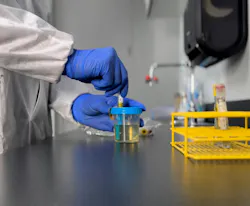
Multiple studies have shown significant reduction in contamination rates when proper education and collection tools are provided to both patients and staff. To help promote the best sample integrity, both the Clinical Laboratory Standards Institute (CLSI) and European Federation of Clinical Chemistry and Laboratory Medicine (EFLM) offer comprehensive clinical practice guidelines. This includes guidance on the use of personal protective equipment (PPE) and proper specimen collection and handling techniques. For example, patients should be provided with the appropriate supplies and receive clear instructions about handwashing and collecting a first void or mid-stream sample. Healthcare providers must wear gloves when handling containers and should document relevant information including collection time and method and storage conditions on the label.
A better specimen
Standardization is most effective when it is paired with fit-for-purpose tools designed to support the intended downstream use of urine—whether for chemistry, particle analysis, microbiology, or molecular testing.
To reduce contamination and preserve sample integrity, guidelines emphasize using a validated collection and transport system with preservative agents as needed to minimize specimen exposure and reduce handling steps. Preservatives support sample integrity by maintaining bacterial levels and cellular structures. These tools can be foundational to sustaining reliable urine diagnostics at scale.
Additionally, samples should be transported promptly. Guidelines emphasize the importance of transporting samples to the lab within two hours after collection. Delayed specimens should be refrigerated or collected within a validated preservative system appropriate for the intended analyte.
A better workflow
Laboratories that align urine collection practices with automation and digital workflows will be better positioned to meet rising demand without increasing cost or complexity. By partnering with providers to have samples sent for analysis in automation-compatible tubes, labs can position samples to seamlessly integrate, minimize, or even eliminate entire steps from their workflow.
Historically, urinalysis involved several manual steps like centrifugation and transferring samples between lab stations, resulting in labor-intensive processes and long turnaround times. Now, much of the workflow can be automated, which improves the quality of interpretation. Modern diagnostics systems can process everything from up-front steps like labeling to visual inspection and handling of sedimentation to microscopic analysis. As automation continues to evolve and include AI-enabled capabilities, laboratories can realize improved efficiency and reliability.
Looking ahead: The future of urinalysis
As awareness continues to grow around the impact of accurate and timely urinalysis on patient outcomes, the industry is accelerating its investment in new technologies and digital‑first approaches that both mitigate preanalytical risk and expand the clinical value of urine beyond traditional use cases. Advances in urine‑based nucleic acid amplification testing, for example, have made urine a widely recommended option for chlamydia and gonorrhea screening in many populations, particularly supporting diagnosis in asymptomatic patients. At the same time, urine‑based biomarkers are increasingly being used to help risk‑stratify patients for prostate cancer and other oncologic conditions. Incorporation of machine learning algorithms with urine testing may enable more personalized risk assessment for certain conditions. Increased adoption of point‑of‑care testing further underscores the need for quality sampling as care continues to move toward decentralized and personalized testing models.
Ongoing advances in collection practices and technology are unlocking the full informational value of urine diagnostics to better support clinical decision-making and laboratory efficiencies.
About the Author
 Tahir Haque, MD
Tahir Haque, MD
serves as a director of Medical Affairs at BD, faculty member at Harvard Medical School, and an attending physician at Brigham and Women’s Hospital, where he holds dual appointments in the Division of Medicine and the Division of Global Health Equity. With more than a decade of experience at the intersection of medicine, industry and academia, Dr. Haque is a pioneer in digital health and innovative care delivery.