Seegene to launch Global Million Clinical Study, advocating for comprehensive syndromic PCR testing
Seegene Inc. is launching the Global Million Clinical Study (GMCS), a large-scale initiative aimed at establishing clinical evidence for a transition from conventional virus-centered testing toward comprehensive syndromic PCR testing that simultaneously detects both viral and pneumonia-associated bacterial pathogens.
Using Seegene’s statistical analytical platform, STAgora, the company analyzed approximately 260,000 pediatric respiratory PCR test results collected over a 42-month period from children aged 0-5 years. The analysis found frequent co-detection of viral and pneumonia-associated bacterial respiratory pathogens, highlighting the complexity of pathogen detection patterns in pediatric respiratory infections.
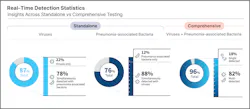
The analysis revealed that respiratory viral panel testing yielded a positivity rate of 87%, and among these positive cases, 78% were also found to carry pneumonia-causing bacterial pathogens. Similarly, pneumonia-causing bacterial panel testing showed a positivity rate of 76%, with 88% of positive cases also testing positive for viral pathogens.
These findings highlight the complex nature of respiratory infections in young children, where viral and bacterial pathogens frequently coexist rather than occurring independently. These findings suggest that respiratory infections frequently involve multiple pathogen types and testing focused on a single pathogen category may not provide a complete picture of infection patterns.
Additionally, the findings indicate that pathogen-specific testing alone may not adequately capture co-detection patterns that are frequently observed in real-world clinical settings. Comprehensive respiratory PCR testing showed a 96% positivity rate. Among those positive results, 82% involved the detection of at least two pathogens, further supporting the value of evaluating multiple potential respiratory infections at the same time.
Despite the complex nature of respiratory infections, testing in many healthcare settings remains largely focused on identifying viral infections, such as influenza virus, SARS-CoV-2, and respiratory syncytial virus (RSV). This trend was also reflected in an analysis of demand for approximately 19.5 million respiratory PCR tests supplied by Seegene across 62 countries over the past three years. The analysis showed that viral testing products accounted for approximately 80% of total demand, while products targeting pneumonia-causing bacteria accounted for about 20%.
However, respiratory symptoms such as rhinorrhea, cough, and fever are often similar regardless of whether the infection is caused by a virus or pneumonia-associated bacteria, making it difficult to identify the causative pathogen based on symptoms alone. This further underscores the importance of obtaining broad pathogen information early in the clinical evaluation process.
While pathogen-specific tests remain valuable for identifying individual targets, they may not provide a complete picture when multiple pathogens are involved simultaneously. Comprehensive syndromic PCR testing may help healthcare professionals better understand infection patterns and support more informed diagnostic and treatment decisions.
Seegene’s comprehensive PCR-based testing approach is designed to detect respiratory viruses and major pneumonia-associated bacterial pathogens from a single specimen in a single test. The STAgora report provides intuitive visualization of co-detection patterns, pathogen combinations, distributions, and pathogen-specific Ct (cycle threshold) values. Going beyond simple positive-or-negative results, it enables assessment of the relative detection levels of individual pathogens in co-detection cases, supporting appropriate diagnostic and treatment decisions based on the characteristics of each infection.
Seegene suggests that comprehensive PCR testing represents an innovation in respiratory diagnostics by supporting a broader evaluation of infection causes and helping clinicians make more informed decisions regarding diagnosis and patient management.
Beginning in August, the company will launch GMCS to generate large-scale real-world clinical evidence on the value of comprehensive PCR testing across diverse healthcare settings worldwide.
Through GMCS, Seegene plans to evaluate how comprehensive testing can support clinical decision-making across diagnosis and treatment pathways. The company intends to use the study findings to verify the clinical usefulness of comprehensive, symptom-based syndromic PCR testing and contribute to the establishment of global new standards for respiratory infection diagnostics.
About the Author
 LABline