Rising demand for selective culture media in pathogen detection
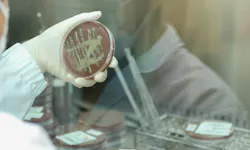
The global selective culture media for pathogen detection market was valued at USD 2.9 billion in 2025 and is projected to grow from USD 3.2 billion in 2026 to USD 6.1 billion by 2035, expanding at a CAGR of 7.5% during the forecast period, according to the latest report by Global Market Insights Inc.
The market is witnessing steady growth due to the rising burden of antimicrobial resistance (AMR), increasingly stringent food safety regulations, and expanding clinical diagnostic testing worldwide. As healthcare systems and regulatory agencies place greater emphasis on accurate pathogen identification and infection surveillance, selective culture media continue to serve as an essential component of microbiological testing across clinical, pharmaceutical, food, and environmental laboratories.
One of the primary factors driving market growth is the increasing prevalence of antimicrobial resistance. The World Health Organization's 2024 Priority Pathogen List highlights 24 critical pathogens across 15 resistance families, underscoring the urgent need for rapid and reliable microbiological diagnostics. Global surveillance initiatives, including the WHO Global Antimicrobial Resistance and Use Surveillance System (GLASS), continue to emphasize culture-based confirmation testing for resistant organisms. With antimicrobial resistance-related deaths expected to increase significantly over the coming decades, laboratories are expanding their use of selective and chromogenic culture media to support accurate pathogen isolation, identification, and susceptibility testing.
Growing food safety regulations across developed and emerging economies are further accelerating market expansion. Government agencies such as the U.S. Food and Drug Administration (FDA) and the U.S. Department of Agriculture Food Safety and Inspection Service (USDA FSIS) require routine microbiological testing to detect foodborne pathogens including Salmonella, Listeria, and Campylobacter. Similar regulatory frameworks across Europe and other major markets continue to strengthen pathogen surveillance throughout the food supply chain. As food manufacturers increase compliance testing and quality assurance activities, demand for selective culture media remains consistently strong across industrial microbiology laboratories.
Technological advancements in microbiological diagnostics are also contributing to market growth. Modern selective media formulations are being developed with improved specificity, faster detection capabilities, and enhanced compatibility with automated laboratory workflows. Manufacturers are increasingly introducing chromogenic formulations and optimized culture media that improve organism differentiation while reducing laboratory turnaround times. These innovations support higher testing efficiency without replacing the established role of conventional culture-based confirmation methods, particularly in regulated diagnostic and food safety environments.
Selective culture media are specially formulated microbiological growth media designed to suppress the growth of unwanted microorganisms while promoting the growth of target pathogens. By incorporating selective agents such as antibiotics, dyes, salts, or chemical inhibitors, these media enable laboratories to isolate specific bacterial or fungal species from mixed samples. They play a critical role in clinical diagnostics, antimicrobial resistance surveillance, pharmaceutical quality control, food safety testing, and environmental microbiology, where accurate pathogen detection is essential for regulatory compliance and public health protection.
Based on product type, the market is segmented into selective media (classical), chromogenic selective media, selective enrichment media, and others. Among these, the selective media (classical) segment dominated the market, accounting for approximately USD 1.1 billion and 38% of total revenue in 2025. Its leadership is supported by decades of clinical validation, widespread regulatory acceptance, and extensive use of established formulations such as MacConkey Agar, Mannitol Salt Agar, Hektoen Enteric Agar, and Salmonella-Shigella Agar. High laboratory familiarity and standardized testing protocols continue to create significant switching barriers, allowing conventional selective media to maintain strong procurement volumes despite the growing adoption of premium chromogenic alternatives.
In terms of application, increasing demand from clinical diagnostics and in-vitro diagnostic (IVD) laboratories continues to support market expansion. Rising healthcare-associated infections, broader infectious disease screening programs, and growing laboratory testing volumes across emerging economies such as India and China are increasing the demand for reliable culture-based pathogen detection. Additionally, pharmaceutical manufacturers and food processing companies continue to rely on selective culture media for contamination monitoring, sterility testing, and regulatory quality assurance, further strengthening long-term market demand.
North America dominated the global selective culture media for pathogen detection market, accounting for 49% of total revenue in 2025, equivalent to approximately USD 1.4 billion, and is expected to maintain its leadership throughout the forecast period. The region benefits from a highly developed clinical laboratory network, stringent FDA and USDA regulatory requirements for microbiological confirmation testing, and substantial public investment in antimicrobial resistance surveillance initiatives such as the CDC's National Antimicrobial Resistance Monitoring System (NARMS). The presence of leading manufacturers, established manufacturing facilities, and advanced diagnostic infrastructure further reinforces North America's position as the largest regional market.
The global selective culture media for pathogen detection market is expected to experience sustained growth over the next decade as governments, healthcare providers, and food manufacturers continue strengthening infectious disease surveillance and microbiological testing capabilities. Growing antimicrobial resistance, expanding regulatory oversight, and continuous innovation in culture media formulations will support increasing adoption across clinical diagnostics, food safety, pharmaceutical manufacturing, and environmental monitoring, ensuring selective culture media remain an indispensable tool in global pathogen detection and public health protection.
About the Author
 LABline