Hepion Pharmaceuticals announces in-licensing of ctRNA biomarker assay for early HCC detection
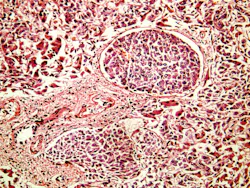
Hepion Pharmaceuticals announced that it has in-licensed from Cirna Diagnostics LLC, a novel biomarker assay that detects mutant circulating tumor RNA (ctRNA) to facilitate early diagnosis of hepatocellular carcinoma (HCC) in high-risk patients (cirrhosis).
Driven by the leadership of Chief Executive Officer (CEO) Kaouthar Lbiati, MD, the in-licensing agreement advances Hepion’s strategic evolution and complements its recently acquired methylated DNA test for early detection of liver cancer, the mSEPT9 PCR-based assay. Hepion’s new strategic focus is advancing clinically proven liquid biopsy tests to aid in the early diagnosis and surveillance of HCC and potentially other solid tumor types in the near future, and to this end Hepion has also secured rights to potentially extend Cirna’s ctRNA platform for other indications as the technology matures. The ctRNA license for HCC, and extension rights, augment Hepion’s growing pipeline as the company prepares its mSEPT9 PCR-based assay for commercialization. The Company believes both assays will fulfill a major unmet need, as current HCC surveillance methods miss up to 75% of early-stage cancers.
The ctRNA biomarker assay is a blood-based test that reads the RNA signals shed by tumors into circulation. It detects cancer-specific mutant RNA variants in blood, offering a next-generation approach to liquid biopsy. ctRNA captures actively expressed tumor signatures, providing earlier detection and improved specificity across both surveillance and early detection use cases. The platform has been validated for HCC across several independent cohorts, with standardized RNA extraction and a repertoire of HCC-specific variants being integrated into a single multiparametric blood test.
About the Author
 LABline